How to fix your
Rib Flare
Rib Flare Isn't Just A
Core issue:
One of the most common things I see, whether someone is pregnant, postpartum, or just getting back into training, is rib flare.
And most people assume it means their core is weak.
But more often, it’s a breathing and pressure management issue.
The rib cage has lost the ability to expand in the back and sides, so every inhale goes up and forward instead of creating true 360° expansion. Over time, that changes how your diaphragm, obliques, and pelvic floor work together.
Instead of a coordinated system, you get compensation.
This can show up as:
• ribs constantly flaring forward
• overextension through the lower back
• difficulty connecting to your core
• feeling unstable or “off” during lifts

Why This Matters:
During pregnancy, your body is already adapting to increased pressure as the baby grows. If you’re stuck in rib flare, it becomes harder to distribute that pressure effectively, which can lead to more strain through the lower back and less support from the core.
Postpartum, this becomes even more important. This is when we’re trying to reconnect everything, and if the rib cage is still moving up and forward, it’s much harder to rebuild true core function.
And outside of pregnancy, this shows up in so many people. Lifters, desk workers, anyone constantly told to “brace harder” without actually learning how to breathe and expand.
Where I Start: Phase 1A

Before adding load, intensity, or complexity, we need to restore how the rib cage moves.
Phase 1A focuses on reintroducing posterior and lateral rib expansion so the diaphragm, obliques, and pelvic floor can actually work together again.
The drills are simple, but intentional:
1. Rib Smash
Using a ball under the lower ribs gives tactile feedback to help you fully exhale and soften through the front of the rib cage. From there, you can actually learn how to inhale into the back and sides.
2. 90/90 Feet Elevated 360 Breathing
This position helps stack the rib cage over the pelvis and gives you support so you can focus on breath without compensating. It’s one of the best ways to feel posterior rib expansion.
3. Child’s Pose Breathing (with Ball Under Ribs)
Now we start to bring that same breathing pattern into a more functional position. You’re still supported, but now your body is learning to manage pressure with some load.
4. ISO Squat Breathing
This gives you a different angle to access the back body and open up areas that are typically restricted, especially through the lower ribs.
5. Side Lying Cable Rib Expansion
This targets the lateral rib cage directly, helping restore side-to-side expansion that most people are missing.
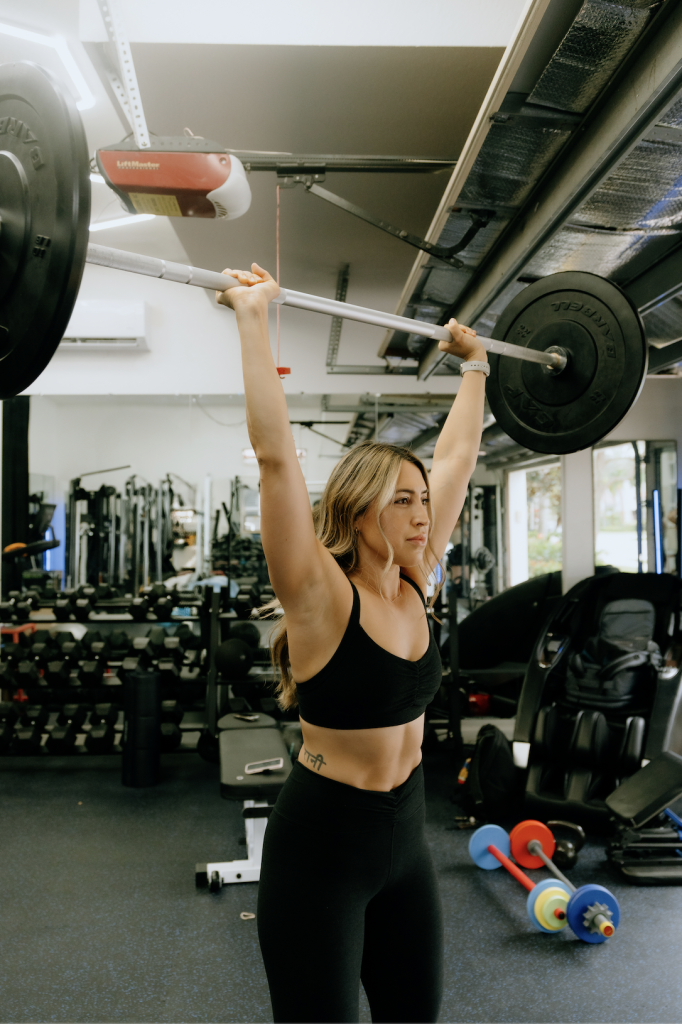
Why This Matters Before
Strength Training
If your rib cage can’t move well, your core can’t function the way it’s supposed to.
And if your core isn’t functioning well, everything built on top of it is working harder than it needs to.
This is why people can:
• Lift heavy but still feel disconnected
• Do core work but not see changes
• Deal with recurring tightness or pain
When you restore how you breathe and manage pressure first, everything else becomes more effective.
You don’t have to fight for positions. You don’t have to overthink every movement. Your body just works better.
That’s why this is where I start with almost everyone.
Because when you build from this foundation, strength actually sticks.